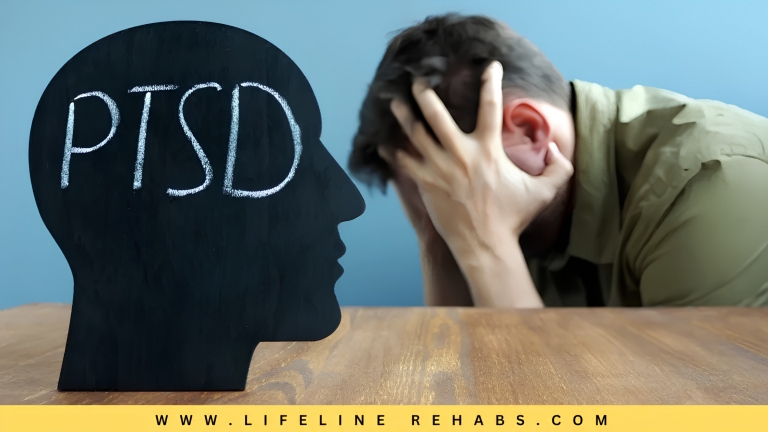
PTSD develops when the mind and body struggle to recover after experiencing a traumatic event. While it is completely normal to feel fear, anxiety, or emotional distress during and immediately after trauma, most people gradually recover with time and support. However, if these symptoms persist for more than a month and begin interfering with daily life, work, relationships, or overall well-being, a diagnosis of Post-Traumatic Stress Disorder (PTSD) may be considered.
People living with PTSD may continue to feel as though they are in danger, even when the traumatic event has ended. Without proper treatment, the condition can significantly affect emotional health, physical well-being, and quality of life.
“PTSD is proof that you endured something powerful—and you’re still here.”
Understanding PTSD is the first step toward recovery. In the following sections, we’ll discuss the common symptoms, causes, and treatment options available to help individuals regain control of their lives and improve their mental well-being.
Many people also confuse PTSD with Complex PTSD (C-PTSD). Although both conditions develop after traumatic experiences, they are not the same. Complex PTSD usually results from repeated or long-term trauma and often includes additional symptoms involving emotional regulation, self-esteem, and interpersonal relationships. If you’re unsure about the difference, read our detailed guide on PTSD vs. Complex PTSD.
Symptoms of PTSD
PTSD symptoms can manifest in various ways and may affect individuals differently based on their experiences and resilience. While symptoms can begin within three months of a traumatic event, sometimes they may not appear until years later.
The intensity of symptoms can vary over time and may be triggered by reminders of the trauma.
These symptoms cause significant issues in social or work situations and in relationships. They can also interfere with the individual’s ability to go about their normal daily tasks.Early recognition of these symptoms can help in seeking timely support and treatment.
Generally, PTSD symptoms are grouped into four categories:

PTSD symptoms can change over time and may become more intense during periods of stress or when a person encounters reminders of the traumatic event. Triggers such as certain places, sounds, smells, or anniversaries of the event can cause symptoms to return or worsen.
In children aged six years and younger, PTSD may appear differently than it does in adults. Young children may repeatedly act out the traumatic event during play, experience frightening dreams, become unusually clingy, or show increased fear and anxiety without being able to explain why.
Causes of PTSD
The exact cause of Post-Traumatic Stress Disorder (PTSD) is not fully understood. Researchers believe it develops through a combination of biological, psychological, and environmental factors after exposure to a traumatic event. Not everyone who experiences trauma develops PTSD, and several factors influence an individual’s risk.
Some of the most common causes and risk factors associated with PTSD include:
Directly experiencing or witnessing life-threatening events, serious injury, or sexual violence can lead to PTSD. This includes combat exposure, physical assault, sexual assault, natural disasters, serious accidents, and witnessing death or severe injury.
Having other traumatic experiences earlier in life, such as childhood abuse(physical, emotional, orsexual), significantly increases the risk of developing PTSD later on.These early experiences can make a person more sensitive to stress in adulthood.
Jobs that increase the likelihood of being exposed to traumatic events, such as military personnel and first responders, can have a higher risk of PTSD.Repeated exposure to stressful or life-threatening situations can further increase this risk over time.
Individuals with existing mental health issues, such as anxiety or depression, or a family history of mental health problems, are more susceptible to PTSD.
Substance misuse, including heavy drinking or drug use, can worsen or contribute to PTSD, though strong support, coping, and resilience can reduce overall risk.
Medications
- Antidepressants: Antidepressants are commonly prescribed to help manage symptoms of depression, anxiety, and emotional distress associated with PTSD. Selective Serotonin Reuptake Inhibitors (SSRIs) and Serotonin-Norepinephrine Reuptake Inhibitors (SNRIs) are the medications most frequently recommended.
- Anti-Anxiety Medications: These medications may provide short-term relief for severe anxiety or panic symptoms. However, they are generally not recommended for long-term use because they can lead to dependence.
- Prazosin: Prazosin may be prescribed for individuals who experience frequent nightmares or sleep disturbances related to PTSD. It can help improve sleep quality and reduce trauma-related dreams.
Other Treatment Options
Group Therapy
Group therapy allows individuals to share their experiences with others who have faced similar traumatic events. It provides emotional support, reduces feelings of isolation, and encourages healthy coping strategies.
Family Therapy
Family therapy helps loved ones better understand PTSD while improving communication, relationships, and the overall support system for recovery.
Self-Help Strategies
Healthy lifestyle habits can play an important role in recovery. Regular physical exercise, mindfulness practices, meditation, relaxation techniques, quality sleep, and balanced nutrition can all help reduce PTSD symptoms.
Support Groups
Joining a PTSD support group offers individuals the opportunity to connect with others who understand their experiences, providing encouragement, practical advice, and a sense of community throughout recovery.
Difference Between PTSD and Acute Stress Disorder
Acute Stress Disorder (ASD)
Acute Stress Disorder develops shortly after a traumatic event and typically lasts from three days to one month. Common symptoms include flashbacks, nightmares, dissociation, severe anxiety, and emotional distress during the immediate aftermath of trauma.
Post-Traumatic Stress Disorder (PTSD)
PTSD is diagnosed when symptoms continue for more than one month after the traumatic event. It involves persistent re-experiencing of the trauma, avoidance behaviors, negative changes in thoughts and emotions, and increased physical and emotional reactions that interfere with everyday life.
Conclusion
Understanding PTSD is essential not only for those living with the condition but also for their families, friends, and communities. PTSD can affect anyone who has experienced or witnessed a traumatic event, regardless of age or background.
Recognizing the warning signs early and seeking professional treatment can make a significant difference in recovery. Effective treatments—including psychotherapy, medication when appropriate, and ongoing emotional support—help many individuals regain control of their lives and improve their overall well-being.
If you or someone you know is experiencing symptoms of PTSD, don’t hesitate to seek help from a qualified mental health professional. Early intervention provides the best opportunity for long-term recovery and healing.
Frequently Asked Questions
What are the five symptoms of PTSD?
The five common symptoms of PTSD include:
- Intrusive memories or flashbacks
- Avoidance of trauma-related reminders
- Negative changes in thinking and mood
- Changes in physical and emotional reactions
- Intense or prolonged psychological distress
Does PTSD cause memory loss?
Yes. PTSD can affect memory, making it difficult to recall certain details of the traumatic event or causing broader problems with concentration and day-to-day memory.
How long does PTSD last?
The duration varies from person to person. Some individuals recover within several months, while others may experience symptoms for years. Early diagnosis and appropriate treatment can significantly improve recovery.
What does PTSD do to a person?
PTSD can cause flashbacks, nightmares, anxiety, mood changes, emotional numbness, sleep disturbances, avoidance behaviors, and difficulties with work, relationships, and daily functioning.
Can PTSD be cured?
While PTSD may not always be completely cured, it can be effectively treated and managed. With psychotherapy, medication when appropriate, and ongoing support, many individuals experience significant improvement and lead healthy, fulfilling lives.