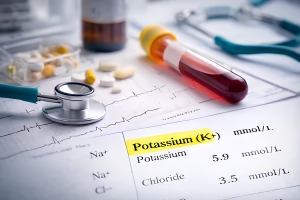
A complete guide to understanding Hyperkalemia (dangerously high potassium levels ), recognizing warning signs, and getting the right medical help, especially during drug or alcohol recovery.
Quick Summary
Hyperkalemia means high potassium levels in the blood, usually above 5.5 mmol/L. Potassium is essential for muscle and nerve function, but too much can disrupt the heart’s electrical system and cause life-threatening arrhythmias. It is often caused by kidney problems, certain medications, dehydration, or muscle breakdown (rhabdomyolysis) which can happen after drug overdose or prolonged unconsciousness. If you have chest pain, heart palpitations, fainting, trouble breathing, or severe muscle weakness, seek emergency care immediately.
What Is Hyperkalemia?
Hyperkalemia is a medical condition where the body has too much potassium in the bloodstream. Potassium is a mineral and electrolyte that helps:
- Regulate heart rhythm
- Support nerve signals
- Allow muscles to contract properly
However, when potassium rises too high, it can interfere with the heart’s electrical activity and lead to sudden, dangerous complications.
Normal Potassium Level Range
- Normal potassium range: 3.5 to 5.0 mmol/L
- Hyperkalemia is often diagnosed at: > 5.5 mmol/L
Hyperkalemia Levels (Mild, Moderate, Severe)
Doctors often categorize into levels based on blood test results:
Mild Level
- 5.5 – 6.0 mmol/L
- May have no symptoms, but still serious
Moderate Level
- 6.1 – 6.9 mmol/L
- Higher risk of heart rhythm changes
Severe Level (Medical Emergency)
- ≥ 7.0 mmol/L
- Can trigger fatal arrhythmias and cardiac arrest
Important: Sometimes the speed of potassium rising is more dangerous than the number itself. Sudden spikes may cause severe symptoms quickly.
Why Is Hyperkalemia Dangerous?
High potassium affects the heart’s ability to maintain a stable rhythm. If potassium becomes too high, it may lead to:
- Irregular heartbeat (arrhythmia)
- Heart palpitations
- Ventricular fibrillation
- Cardiac arrest
- Sudden death
This is why hyperkalemia is always treated seriously, especially in emergency medicine and detox settings.
What Causes Hyperkalemia?
It happens when your body:
- cannot remove potassium properly, or
- releases too much potassium into the blood,
- or takes in too much potassium through diet/supplements/medications
1. Kidney Problems (Most Common Cause)
Your kidneys regulate potassium by filtering out excess amounts through urine. Hyperkalemia can occur if the kidneys are not working well due to:
- chronic kidney disease (CKD)
- acute kidney injury (AKI)
- dehydration reducing kidney perfusion
- drug-related kidney damage
When kidney function drops, potassium builds up quickly, sometimes without warning.
2. Muscle Breakdown (Rhabdomyolysis)
Most potassium is stored inside the body’s cells. When muscles are damaged, potassium can leak into the bloodstream rapidly. One major cause is rhabdomyolysis, where muscle tissue breaks down and releases:
- potassium
- creatine kinase (CK)
- myoglobin (can damage kidneys)
This is extremely relevant in drug overdose cases.
3. Medications That Can Raise Potassium
Certain medications can increase potassium levels, especially in people with kidney disease or dehydration. Common examples include:
- ACE inhibitors
- ARBs
- potassium-sparing diuretics
- NSAIDs (painkillers)
If you use these medications alongside substance use, poor nutrition, dehydration, or kidney strain, hyperkalemia risk can increase.
4. Excess Potassium Intake (Less Common, But Possible)
Most healthy bodies regulate dietary potassium well. But risk increases if you consume:
- potassium supplements
- salt substitutes containing potassium chloride
- large amounts of high-potassium foods (especially with kidney disease)
Who Is Most at Risk for Hyperkalemia?
You may have a higher risk if you:
- have kidney disease
- have diabetes
- have heart failure
- are older (kidney function may decline with age)
- take potassium-raising medications
- become dehydrated frequently
- have had recent injury, seizures, or overdose
- have substance use disorder (due to immobilization and muscle damage)
Hyperkalemia and Substance Abuse: A Serious Hidden Risk
Many people do not realize that drug and alcohol abuse can cause dangerous hyperkalemia, especially during overdose, detox, or withdrawal complications.
Why addiction increases hyperkalemia risk
Substance use may cause:
- prolonged unconsciousness → muscle compression → rhabdomyolysis
- dehydration and kidney stress
- seizures or extreme agitation (stimulants)
- heatstroke/hyperthermia
- kidney damage from repeated toxicity
In rehab and detox environments, electrolyte monitoring is critical because hyperkalemia can worsen quickly and we care all about it.
Hyperkalemia from Heroin and Opioids
Opioid overdose often causes a person to remain unconscious in one position for hours. This can lead to:
- compression of muscles and blood vessels
- compartment syndrome
- rhabdomyolysis
- sudden potassium release into the blood
This is why medically supervised detox is safer than attempting withdrawal alone at home.
Hyperkalemia from Cocaine
Cocaine is a stimulant that can contribute to hyperkalemia through:
- hyperthermia (overheating)
- excessive muscle activity
- agitation or seizures
- direct muscle toxicity
In severe cases, cocaine toxicity can push potassium to extremely dangerous levels, requiring emergency intervention.
Alcohol Abuse and Hyperkalemia
Alcohol use more commonly causes low potassium, but severe alcohol-related complications may trigger hyperkalemia if rhabdomyolysis and kidney injury occur together.
This can happen after:
- alcohol poisoning
- falls/trauma
- prolonged immobility
- severe dehydration
Symptoms of Hyperkalemia

Hyperkalemia can be tricky because symptoms may be mild until it becomes severe.
Mild to Moderate Symptoms: fatigue or weakness, nausea or vomiting, numbness or tingling, muscle cramps and general discomfort. These symptoms are easily confused with withdrawal symptoms, anxiety, or general illness.
Severe Hyperkalemia Symptoms (Emergency): Seek urgent care if you notice heart palpitations, irregular heartbeat, chest pain, shortness of breath, severe muscle weakness, paralysis, fainting or loss of consciousness. It can become fatal quickly without treatment.
How Hyperkalemia Is Diagnosed ?
Diagnosis usually begins with a blood test measuring serum potassium.
Important: Pseudohyperkalemia
Sometimes a potassium result looks high due to lab error (for example, blood sample hemolysis). This is called pseudohyperkalemia, and doctors may repeat testing to confirm before aggressive treatment.
ECG / EKG Changes in Hyperkalemia
An electrocardiogram (ECG/EKG) shows how potassium is affecting heart rhythm. Common findings may include:
- peaked T waves (early sign)
- widening QRS complex
- missing P waves
- severe “sine wave” pattern (pre-arrest)
If ECG changes are present, treatment becomes urgent, even if symptoms feel mild.
Hyperkalemia Treatment (What Doctors Do)
Treatment depends on:
- potassium level
- ECG changes
- symptoms
- underlying cause
- kidney function
Emergency Treatment (Stabilize the Heart First)
If potassium is dangerously high, doctors may give:
IV Calcium Gluconate
- protects the heart
- does not lower potassium
- buys time to prevent arrhythmia
Insulin + Glucose
- shifts potassium back into cells quickly
- temporary but effective fast
Albuterol (Beta-2 Agonist)
- also shifts potassium into cells
- used as additional support
Removing Potassium from the Body
To truly lower potassium, it must be removed:
Diuretics
- help kidneys excrete potassium (if kidney function allows)
Potassium binders
- bind potassium in the gut so it leaves in stool
Dialysis (Most Effective in Severe Cases)
- used when kidney failure is present or potassium is dangerously high
Treat the Root Cause
Long-term recovery requires addressing the cause, such as:
- stopping or adjusting medications
- treating kidney disease
- hydration management
- treating rhabdomyolysis
- and for many individuals: substance use treatment
Foods to Avoid with High Potassium (Diet Guide)
Always follow your doctor’s advice, especially if you have kidney disease.
High-Potassium Foods to Limit
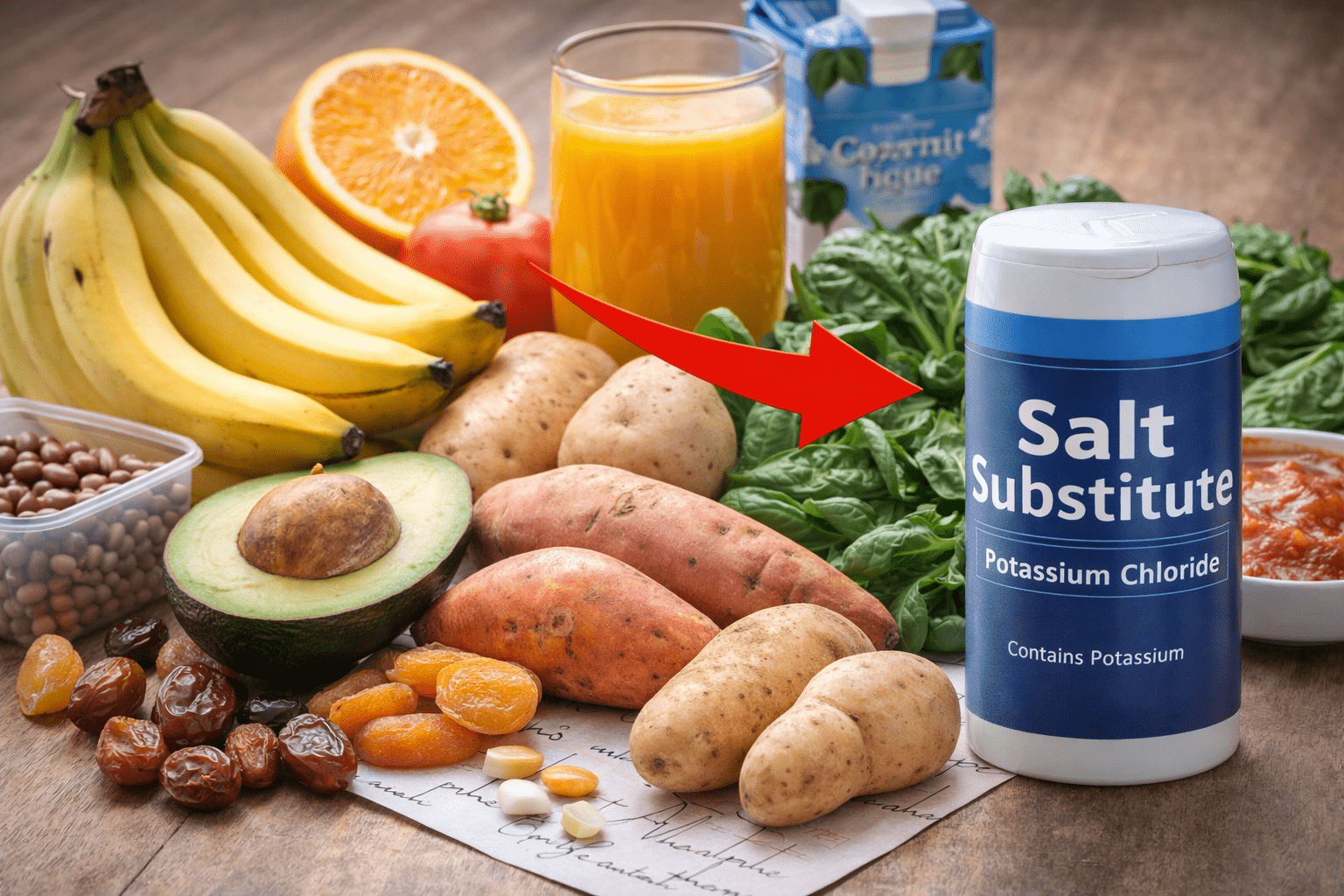
Examples include: Bananas, oranges/orange juice, tomatoes/tomato sauce, potatoes (white + sweet), avocado, spinach and leafy greens, beans and lentils, coconut water and dried fruits.
Hidden Danger: Salt Substitutes
Many “low sodium” salts contain potassium chloride, which can cause potassium spikes.
Lower Potassium Alternatives
Try: Apples, grapes, berries, pineapple, peaches, cabbage, cauliflower, cucumber, lettuce, onions, peppers, white rice, pasta and bread.
How to Prevent Hyperkalemia ?
Prevention depends on your personal risk factors.
1) Medical Supervision During Detox
Detox is safer in a medically supervised setting because health teams can monitor:
- electrolytes
- hydration status
- kidney function
- heart rhythm
Lifeline Rehab Center offer detox and recovery include medical monitoring so complications like hyperkalemia can be recognized early.
2) Stay Hydrated
Hydration supports kidneys and reduces risk of muscle breakdown complications. Avoid extreme dehydration from:
- vomiting/diarrhea
- heat exposure
- stimulant use
3) Review Medications
If you have kidney disease or previous hyperkalemia, always ask your doctor before using:
- NSAIDs frequently
- potassium supplements
- salt substitutes
4) Avoid Overdose & Seek Help Early
Overdose is a major trigger for rhabdomyolysis and sudden potassium spikes. Addiction treatment reduces the risk of repeated emergency events.
When to Seek Emergency Help ?
Call emergency services immediately if you or someone else experiences:
- Chest pain
- Fast or irregular heartbeat
- Severe weakness
- Trouble breathing
- Collapse or unconsciousness after substance use
Hyperkalemia can turn fatal quickly, don’t wait.
It is a potentially life-threatening condition where potassium levels rise too high in the blood. While kidney disease is a common cause, hyperkalemia is also strongly linked to drug overdose, rhabdomyolysis, dehydration, and kidney strain, making it a serious concern in addiction recovery.
The good news is: hyperkalemia is treatable and often reversible with prompt medical care. If you or a loved one struggles with substance use, medical support during detox can prevent dangerous complications.
Recovery is possible! with the right care, guidance, and monitoring.
Medically reviewed by: Mr. Fazal Wahid
Frequently Asked Questions (FAQs)
1. What is the normal potassium level in blood?
Normal blood potassium is 3.5 to 5.0 mmol/L. Hyperkalemia is usually diagnosed when potassium rises above 5.5 mmol/L.
2. What potassium level is dangerous?
Potassium levels above 6.5 mmol/L are often treated as an emergency—especially if ECG changes occur.
3. Can hyperkalemia be cured?
Yes. It is treatable and often reversible when treated early and the underlying cause is addressed.
4. What are the symptoms of high potassium?
Symptoms may include weakness, nausea, tingling, heart palpitations, chest pain, and in severe cases paralysis or collapse.
5. Can drug overdose cause hyperkalemia?
Yes. Drug overdose can cause rhabdomyolysis, which releases potassium into the blood and may lead to severe problem.
6. What foods should I avoid if I have high potassium?
High-potassium foods may include bananas, oranges, tomatoes, potatoes, spinach, avocado, beans, and coconut water.
7. Can dehydration cause hyperkalemia?
Yes. Dehydration can reduce kidney function and cause potassium to rise—especially in people with kidney disease or substance use complications.
8. How is hyperkalemia treated in an emergency?
Doctors may give IV calcium, insulin with glucose, albuterol, potassium binders, and in severe cases dialysis.