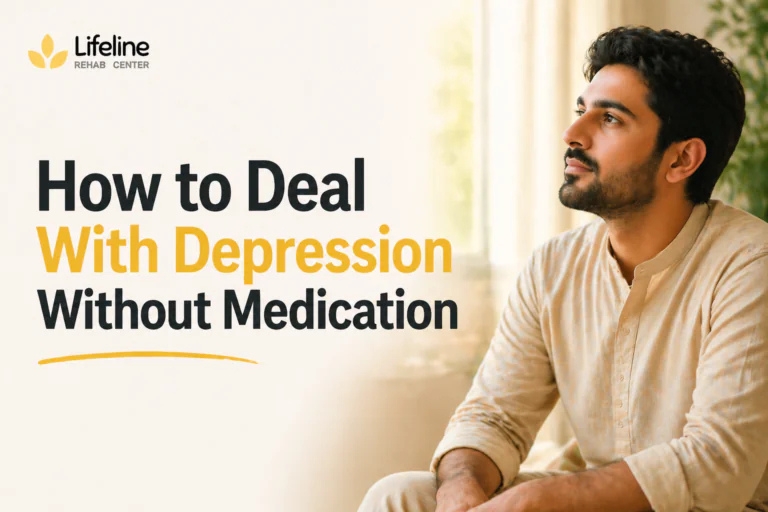
How to deal with depression without medication is one of the most searched mental health concerns today, especially for people looking for natural, safe, and long-term solutions. Depression affects millions globally, including in Pakistan, where awareness is growing but stigma still exists. This guide will show you practical, research-backed strategies to manage depression naturally—without relying on medication—while improving your overall quality of life.
What is Depression and How to Deal With It Without Medication?
Depression is a mental health disorder characterized by persistent sadness, loss of interest, low energy, and negative thinking patterns. How to deal with depression without medication means using lifestyle changes, therapy, and behavioral strategies to manage symptoms naturally.
According to the World Health Organization, depression is one of the leading causes of disability worldwide. Research shows that non-medication approaches like therapy, exercise, and social support can significantly reduce symptoms in mild to moderate cases. The standard approach is to combine psychological techniques with lifestyle improvements for sustainable recovery.
Why Dealing With Depression Without Medication Matters in 2026 ?
Many people now prefer natural mental health solutions due to awareness, side effects of medication, and accessibility issues. Research shows:
- Therapy and lifestyle changes can be as effective as medication in mild cases
- Natural methods reduce relapse risk over time
- Holistic approaches improve both mental and physical health
According to the National Institute of Mental Health, early intervention without medication can prevent severe depression in many individuals. In Pakistan, limited access to mental health professionals makes self-help strategies even more important.
How to Deal With Depression Without Medication – Step-by-Step
Follow this structured process to deal with depression effectively:

1. Build a Daily Routine
- The standard approach is to create structure in your day.
- Wake up, eat, and sleep at consistent times.
2. Start Physical Activity
- Research shows that exercise releases endorphins, which improve mood.
- Even 20 minutes of walking daily can reduce symptoms.
3. Practice Cognitive Behavioral Techniques
- According to Cognitive Behavioral Therapy, changing negative thoughts improves emotional health.
- Identify negative patterns and replace them with realistic thinking.
4. Improve Sleep Quality
- Poor sleep worsens depression.
- Maintain 7–8 hours of consistent sleep.
5. Stay Connected Socially
- Isolation increases depression severity.
- Talk to trusted friends or family regularly.
6. Seek Professional Support (Non-Medication)
- Therapy is a proven non-drug treatment.
- Counseling provides tools to manage emotions effectively.
Best Practices to Deal With Depression Naturally
Maintain a Healthy Diet
- Research shows that nutrition impacts brain function.
- Include fruits, vegetables, and omega-3-rich foods.
Practice Mindfulness and Meditation
- According to studies on mindfulness, it reduces stress and improves emotional regulation.
Limit Social Media Use
- Excessive social media increases anxiety and negative comparison.
Set Small Achievable Goals
- Small wins create motivation and rebuild confidence.
Common Mistakes to Avoid
- Ignoring symptoms and hoping they disappear
- Isolating yourself from others
- Expecting instant results
- Comparing your progress with others
- Avoiding professional help completely
Each of these behaviors can worsen depression over time.
Medication vs Natural Methods: What Works Better?
The answer depends on severity.
- Mild depression → Natural methods often work effectively
- Moderate depression → Combination approach recommended
- Severe depression → Medical supervision required
According to Mayo Clinic, therapy combined with lifestyle changes is highly effective for many individuals. Natural methods focus on long-term healing, while medication often provides faster symptom relief.
Key Takeaways
- Depression can be managed without medication in many cases
- Lifestyle changes play a critical role in recovery
- Therapy is a proven non-medication solution
- Consistency is more important than intensity
- Social support accelerates healing
Conclusion
How to deal with depression without medication requires patience, consistency, and the right strategies. Natural approaches like exercise, therapy, routine building, and social connection are powerful tools for managing depression. If symptoms persist or worsen, seeking professional help is essential. You don’t fix this overnight—discipline and structure beat motivation every time.
4. FAQS
1. How to deal with depression without medication naturally?
Focus on exercise, healthy diet, proper sleep, and therapy. These methods improve brain chemistry and emotional balance over time. Consistency is key for results.
2. Can depression go away without medication?
Yes, mild depression can improve without medication through therapy, lifestyle changes, and support systems. Severe cases may require medical help.
3. What is the fastest way to deal with depression without medication?
Exercise, sunlight exposure, and social interaction provide the quickest natural mood improvement. However, long-term recovery needs consistency.
4. How to deal with depression at home without medication?
Create a daily routine, limit isolation, practice mindfulness, and stay physically active. Home-based strategies can be highly effective.
5. Is therapy enough to deal with depression without medication?
Yes, therapies like Cognitive Behavioral Therapy are proven to treat depression effectively, especially in mild to moderate cases.
6. What foods help fight depression naturally?
Foods rich in omega-3, vitamins, and minerals support brain health. Examples include fish, nuts, fruits, and leafy vegetables.
7. How long does it take to recover from depression without medication?
Recovery varies but typically takes weeks to months depending on severity and consistency of effort.
8. Can exercise alone treat depression?
Exercise significantly reduces symptoms but works best when combined with other strategies like therapy and routine changes.