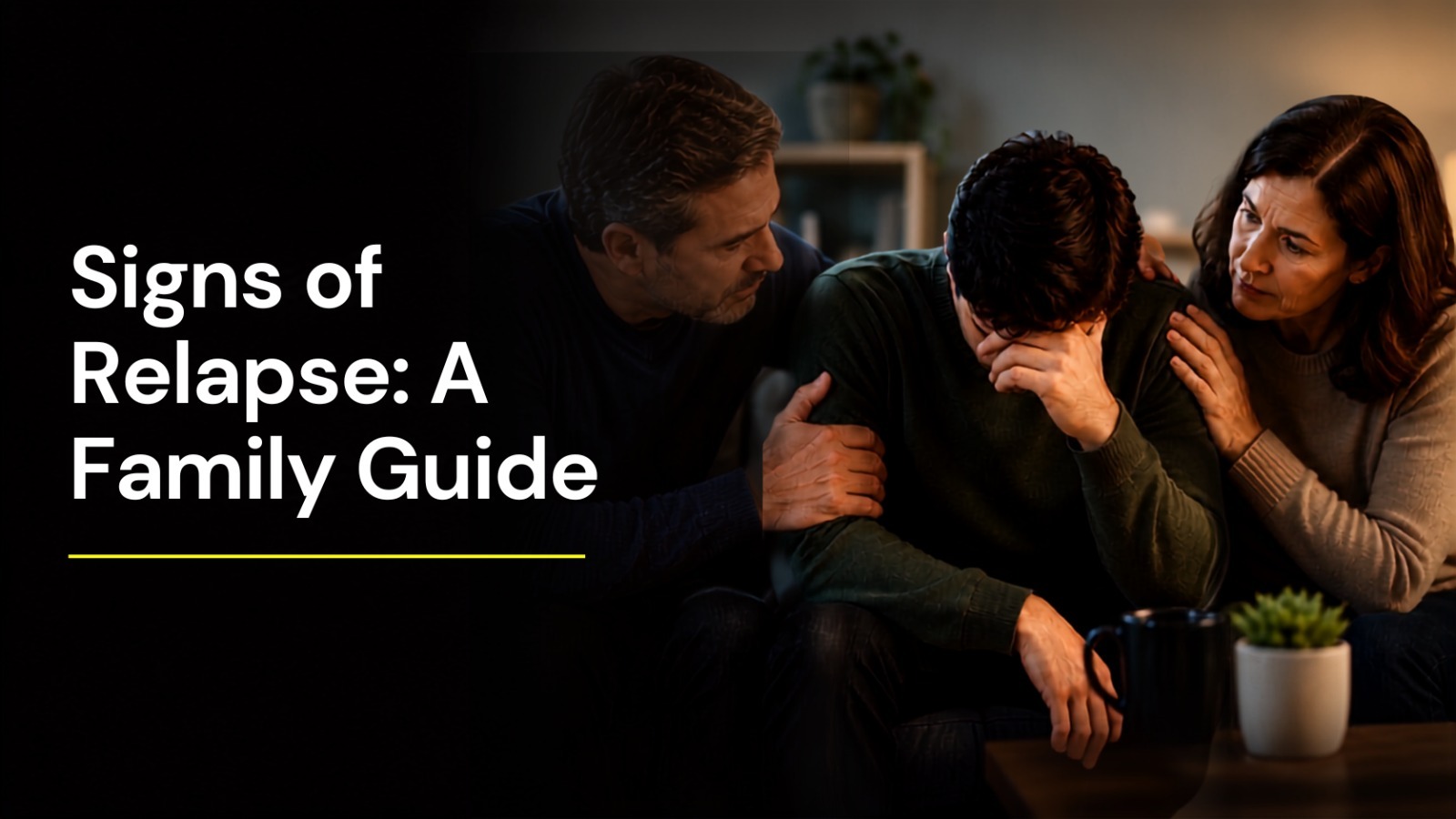
Relapse rarely happens overnight. Most families imagine it as a sudden event, a single bad decision that undoes months of progress. In reality, relapse is usually the final step in a much longer, quieter process, one that often begins weeks before any substance is actually used again. Learning to recognize relapse warning signs early can be the difference between a brief setback and a full return to active addiction.
At Lifeline Rehab, this understanding is built into our approach to relapse prevention in Pakistan, drawing on a structured framework outlined in Mr. Fazal Wahid’s book, Lifeline: The Complete Treatment Model. According to this model, relapse unfolds in three distinct stages, and each one offers a window for families to step in before things escalate.
Stage 1: Emotional Relapse
The earliest stage of relapse has nothing to do with substances at all. At this point, the person isn’t consciously thinking about using, but their emotional and physical self-care begins to slip. These early signs of relapse are subtle, and families often dismiss them as “just a rough patch.”
Watch for increased irritability, moodiness, or withdrawal from others. A person may start skipping therapy sessions or support group meetings, neglect basic hygiene and grooming, or respond to check-ins with a flat “I’m fine” that shuts down real conversation. Sleep and eating patterns often shift too, either sleeping far more than usual or staying up much later than before.
None of these signs alone confirm a problem. But together, especially when they appear as a pattern, they matter.
Stage 2: Mental Relapse
If Stage 1 goes unaddressed, it often progresses into Stage 2, a genuine internal conflict between wanting to stay sober and being pulled toward using again. This is where early addiction warning signs become harder to ignore.
Look for romanticizing the past, talking fondly about “the good old days” that involved substance use, or floating the idea of using “just once” or “just casually.” Small deceptions often creep in here too: minor lies, turning a phone screen away during a call, or being vague about where they’ve been. Reconnecting with old friends from their using days, or revisiting places tied to past use, is another red flag at this stage.
Stage 3: Physical Relapse
This is the stage most people associate with the word “relapse”: actual substance use. By the time physical signs appear (intoxication, paraphernalia, unexplained absences, or a failed drug test), the process has usually been building for some time. This is precisely why catching Stage 1 and Stage 2 signs early is so critical for effective relapse prevention.
How Families Can Respond Early
Use a simple monitoring approach. If you notice three or more Stage 1 signs within a single week, it’s worth having an honest, calm conversation within 24 hours. If any Stage 2 sign appears, even one, bring the wider family together within 48 hours and loop in the clinical team. Multiple Stage 2 signs warrant contacting the treatment team immediately.
Trust your intuition. Families who have lived alongside addiction often develop a quiet sense that “something is off,” long before they can point to specific evidence. This instinct is worth taking seriously rather than waiting for a full crisis to confirm it.
Address small issues immediately. One of the most important principles in early relapse intervention is acting on the very first small violation, a missed dose, a hidden message, a skipped session, rather than letting it slide. Small concessions, left unaddressed, tend to compound into much larger ones.
Use the patient’s own early warning signs. During treatment, many patients build a personal relapse prevention plan that includes the specific behaviors and thoughts that signal danger for them individually. With the patient’s consent, families having access to this plan can make all the difference; it turns vague worry into a concrete checklist.
Why Early Recognition Matters
Recognizing relapse in its earliest stage isn’t about catching someone “doing something wrong.” It’s about noticing when the ground beneath a person’s recovery starts to shift, and stepping in with support before a crisis develops. For families supporting a loved one through addiction recovery in Pakistan, understanding this three-stage process and responding calmly and early is one of the most powerful tools available.
If you’re noticing early warning signs in a loved one’s recovery, reaching out to a qualified addiction treatment team sooner rather than later can make a meaningful difference in the outcome.
Mr. Fazal Wahid – Founder & CEO, Lifeline Rehab Center
Architect of the Lifeline Signature Model and a pioneer of system-driven addiction recovery, Fazal Wahid brings world-class, structured care to Pakistan. A King’s College London psychology graduate with postgraduate training in Addiction Science, he has refined 15 years of clinical practice into one teachable system of recovery.
[ Learn more about Mr. Fazal Wahid ]
This article is adapted from Fazal Wahid’s book, Lifeline: The Complete Treatment Model. It draws on his clinical work and is written by the Sanctum and Lifeline team.