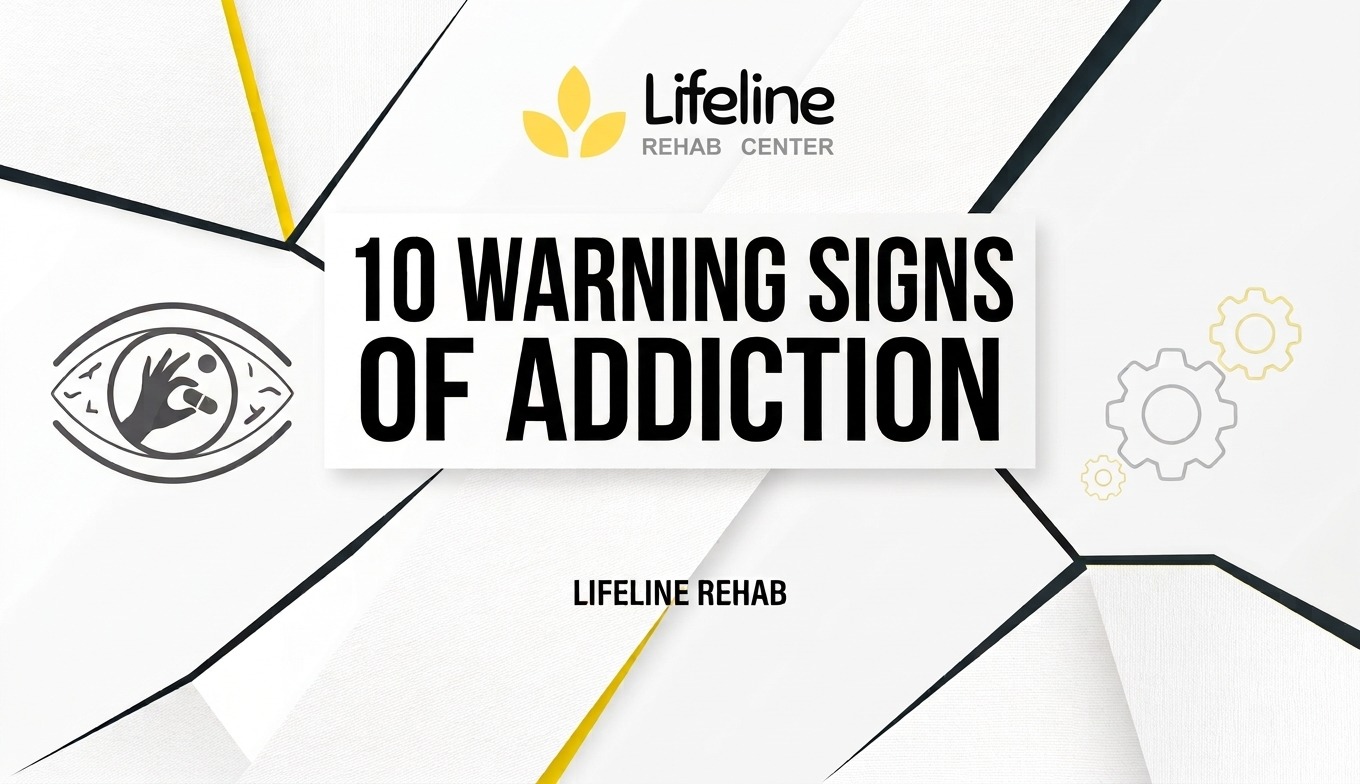
Addiction rarely begins with a dramatic crisis. In the Lifeline complete treatment model, addiction is understood as a chronic brain disorder, one that frequently develops in secrecy long before it manifests as a full-blown emergency. Because early behavioral shifts are subtle, families in Islamabad and across Pakistan often rationalize them as temporary phases, job stress, academic pressure, or bad moods.
At Lifeline Rehab Bani Gala Islamabad, our clinical experience aligns with the findings in our founder’s manual: spotting the early, covert indicators of substance use is crucial for timely intervention and lasting recovery. Here are 10 critical warning signs of developing or hidden addiction that families frequently overlook.
1. Subtle Emotional Irritability and Volatility
A noticeable shift in temperament, where a loved one becomes unusually quick to anger, overly defensive, or emotionally volatile over minor matters, is often one of the earliest indicators of addiction.
Why it’s missed: Families routinely attribute emotional outbursts to work burnout, university pressure, or routine personality clashes. In reality, this volatility reflects early dysregulation of the brain’s stress circuit (the amygdala) as it adapts to substance exposure or early withdrawal states.
2. Emotional and Physical Withdrawal from Family Rhythms
This involves detaching from household life: regularly skipping family meals, staying locked in a bedroom for extended hours, or avoiding major family gatherings like Eid or family weddings.
Why it’s missed: Within joint or collectivist family structures, parents and spouses often mistake this isolation for a healthy desire for personal space or adult independence, failing to realize it is active emotional shielding to conceal drug or alcohol use.
3. Changes in Phone Hygiene and Digital Transparency
Sudden secrecy surrounding digital devices, such as turning screens face down, taking phone calls behind closed doors, clearing WhatsApp chat histories, or frequently changing passcodes, is a major behavioral red flag.
Why it’s missed: In today’s digital age, device privacy is often accepted as a normal personal boundary rather than recognized as a calculated effort to hide procurement contacts, local dealers, or drug group chats.
4. Disrupted Sleep Architecture and Uncharacteristic Routines
Classic signs include sleeping late into the afternoon, staying awake throughout the night, or showing unpredictable cycles of high energy followed by severe crashes.
Why it’s missed: Irregular sleep patterns are frequently normalized as a “night owl” habit, a modern digital lifestyle, or a typical student schedule, masking the physiological impact of stimulants, sedatives, or illicit substances on natural circadian rhythms.
5. Unexplained Financial Inconsistencies and Cash Requests
This manifests as small amounts of cash or household valuables quietly disappearing, sudden requests for “urgent” financial assistance, or vague, evasive descriptions of daily expenses.
Why it’s missed: Out of deep love and trust, families initially accept plausible excuses, such as lending money to a friend in need, sudden vehicle repairs, or unexpected academic expenses, before connecting the pattern to substance procurement.
6. A Decline in Personal Self-Care and Hygiene
Uncharacteristic drops in personal grooming, changes in physical appearance, or a complete loss of interest in long-standing hobbies, sports, career ambitions, or studies point toward a deeper issue.
Why it’s missed: Loved ones commonly interpret this shift as clinical depression or sheer laziness. Clinically, however, this decline often signals a severe dopamine deficit (anhedonia) caused by substance-induced alterations in the brain’s reward system.
7. Somatic and Visual Shifts ("An Absence in the Eyes")
Physical clues include a glassy “absence in the eyes,” deliberate avoidance of direct eye contact, frequent bloodshot eyes, dilated or pinpoint pupils, and unexplained physical sluggishness.
Why it’s missed: Families often accept casual explanations like screen-induced eye strain, seasonal allergies, or simple fatigue, overlooking clear physical indicators of intoxication or crash states.
8. Increasing Use of Minimization and Rationalization Language
When questioned, individuals battling early addiction rely on cognitive distortions, using statements such as “I only use this to fall asleep,” “Everyone my age does it,” or “I can stop whenever I want.”
Why it’s missed: Because these rationalizations often sound articulate, logical, or calm, family members get drawn into debates over the points raised rather than recognizing them as classic psychological defense mechanisms characteristic of addiction denial.
9. Heavy Engagement in High-Risk Digital Environments
Spending hours in specialized online spaces, such as illicit online drug cultures, late-night gaming communities linked to stimulant abuse, or compulsive crypto and gambling platforms, presents a serious concern.
Why it’s missed: Because the individual is physically safe at home in their bedroom, parents often assume no harm is taking place, completely unaware of the digital exposure to substance networks and risky behaviors online.
10. Re-Connecting with "Using" Environments or Peers
Casual visits to old neighborhoods associated with past drug use, “accidental” run-ins with former using companions, or romanticizing past partying experiences are critical behavioral markers.
Why it’s missed: Family members often view these occurrences as harmless nostalgia or innocent social catch-ups, missing an environmental boundary violation that strongly signals impending relapse or active substance seeking.
Taking the Next Step with Lifeline Rehab Bani Gala Islamabad
Recognizing these red flags in a family member can feel overwhelming, but early identification is the most powerful tool in breaking the cycle of addiction. At Lifeline Rehab Bani Gala Islamabad, located in a serene, therapeutic environment conducive to healing, we offer evidence-based addiction treatment tailored to individual and family needs.
If you suspect a family member is exhibiting these warning signs, structured support is available. We can review the Intervention Letter Protocol (ILP) with you, a guided approach that helps families compose a calm, loving, non-confrontational letter designed to help their loved one acknowledge the disease and accept professional treatment.
Contact Lifeline Rehab Bani Gala Islamabad today to speak with an addiction specialist and take the first step toward family healing and recovery.
About Author
Mr. Fazal Wahid – Founder & CEO, Lifeline Rehab Center
Architect of the Lifeline Signature Model and a pioneer of system-driven addiction recovery, Fazal Wahid brings world-class, structured care to Pakistan. A King’s College London psychology graduate with postgraduate training in Addiction Science, he has refined 15 years of clinical practice into one teachable system of recovery.
[ Learn more about Mr. Fazal Wahid ]
This article is for informational purposes and is not a substitute for professional medical advice. If you or someone you know is struggling with addition, please reach out to a licensed treatment provider.