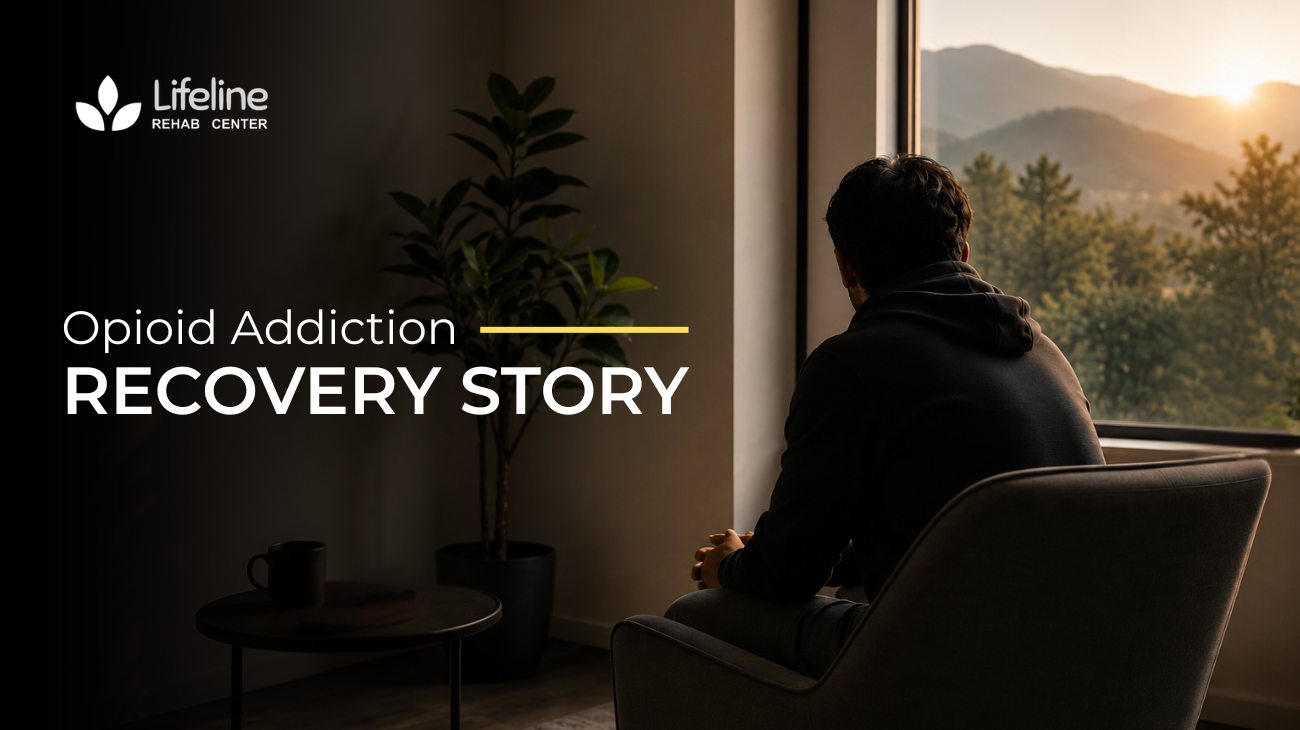
When people search for the best rehab center in Islamabad, they’re usually looking for more than a facility; they’re looking for hope. This is the story of one patient who found exactly that, four months into his stay at Lifeline Rehab.
A Different Idea of “Rehab”
He was in his 20s, raised in the United States, where he’d grown up around a very different picture of addiction treatment. In his experience, rehab was almost a formality, a 28-day program you could walk into, and just as easily walk out of whenever you wanted. Addiction, in the circles he knew, was treated less like an illness and more like a phase. Something you paused, rather than something you truly faced.
So when his family brought him to a rehab center in Islamabad, he didn’t expect much. He assumed it would be the same revolving-door experience he’d known back home, except this time, in a country he barely knew.
He was wrong. And in the best possible way.
The First Few Weeks Were Brutal
Opioid withdrawal doesn’t care where in the world you are. In his first weeks at this addiction treatment center in Islamabad, he struggled far more than he’d anticipated. He experienced delirium, hallucinations, and a level of physical and emotional exhaustion he hadn’t been prepared for. Coming from America, where treatment had always felt optional, he was suddenly face-to-face with just how serious his condition really was.
This is often the hardest part of any opioid rehab in Islamabad journey, the point where the body and mind are still fighting the withdrawal, before the deeper healing can even begin. It’s also the point where having the right medical team matters most.
Finding Steadiness Through Structure and Faith
What helped him hold on wasn’t a single moment; it was the accumulation of small, steady things. The psychiatrists and psychologists at the facility didn’t just manage his symptoms; they helped him understand what he was going through and why. Slowly, structure replaced chaos.
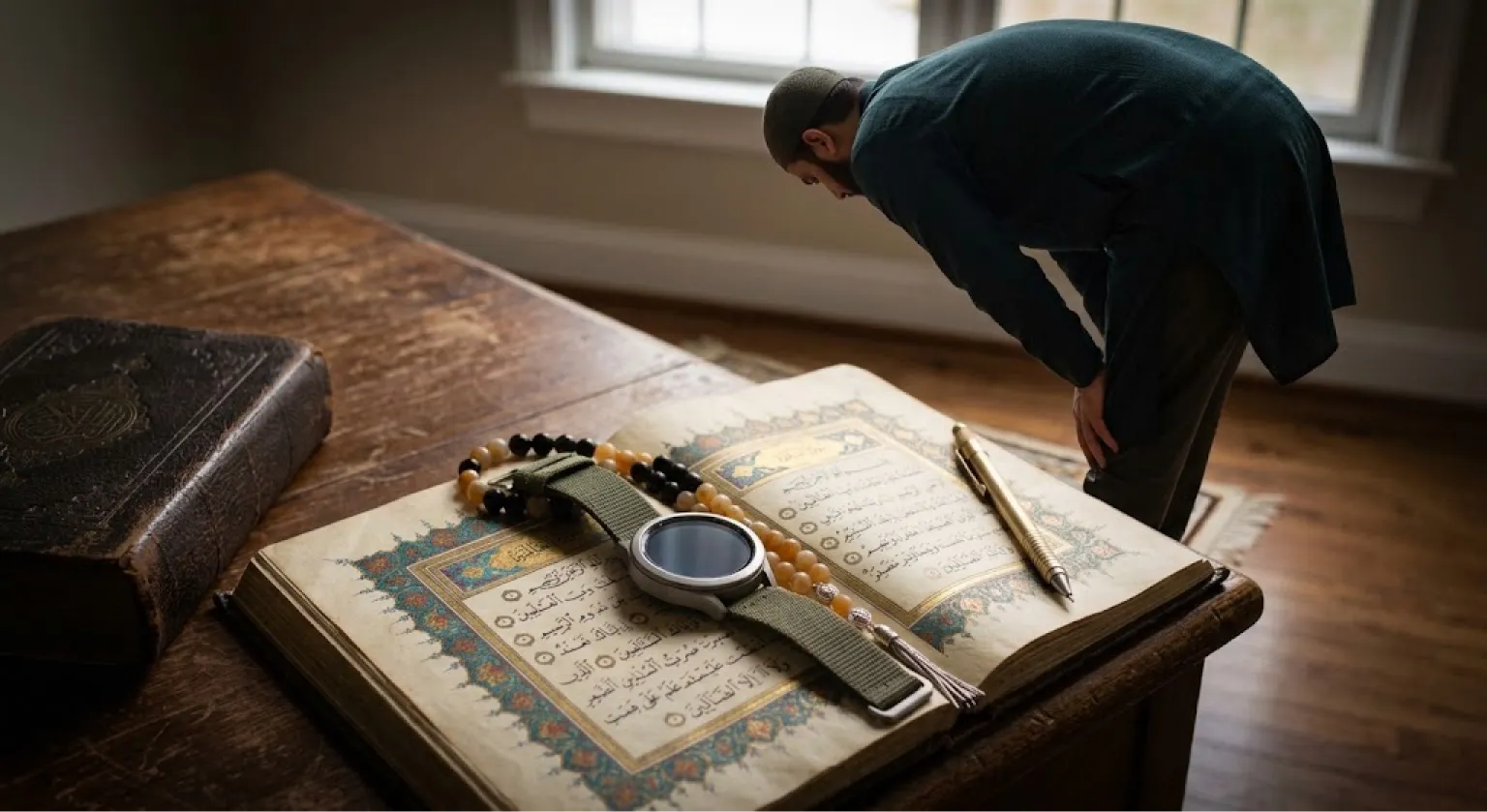
Something unexpected also happened along the way: he started praying. Not out of obligation, but because in the quiet, difficult hours of early recovery, he found himself reaching for something steady. Alongside that, something else shifted: he became honest. Honest with his family, with his clinical team, and most importantly, with himself.
What Recovery Has Taught Him
Now four months in, he describes recovery not as a single victory, but as an ongoing practice of resilience, strength, and hope. Some days are harder than others. But he’s learned that the goal isn’t to feel perfect; it’s to keep pushing forward, one day at a time.
He’s also learned that the people around him make all the difference. At Lifeline, a trusted addiction treatment center in Pakistan, he found a clinical team- psychiatrists, psychologists, and support staff, who treated his recovery as seriously as he now does himself. This is something worth considering for any family researching rehab clinic in Islamabad options for opioid or heroin addiction: the quality and consistency of the clinical team often defines the entire recovery experience.
Recovery Is a Lifelong Journey
Perhaps the most important thing he’s come to understand is that recovery doesn’t end at discharge. It’s not a 28-day transaction; it’s a lifelong commitment, one that requires ongoing support, honesty, and community.
For anyone researching opioid addiction treatment in Islamabad, heroin rehab centers in Pakistan, or simply wondering how much rehab costs in Islamabad, his story is a reminder that real recovery takes time, and that finding the right environment, the right team, and the right support system can make all the difference between rehab as a formality and rehab as a genuine turning point.
If you or a loved one is struggling with opioid or prescription drug dependency, reaching out to a qualified opioid detox center in Pakistan is often the first, most important step toward lasting recovery.
Mr. Fazal Wahid – Founder & CEO, Lifeline Rehab Center
Architect of the Lifeline Signature Model and a pioneer of system-driven addiction recovery, Fazal Wahid brings world-class, structured care to Pakistan. A King’s College London psychology graduate with postgraduate training in Addiction Science, he has refined 15 years of clinical practice into one teachable system of recovery.
[ Learn more about Mr. Fazal Wahid ]
This article is adapted from Fazal Wahid’s book, Lifeline: The Complete Treatment Model. It draws on his clinical work and is written by the Sanctum and Lifeline team.