Detox vs. Addiction Treatment
Although detox and addiction treatment are closely connected, they are not the same. Drug detox focuses on safely removing drugs or alcohol from the body while managing withdrawal symptoms. Addiction treatment goes beyond detox by addressing the underlying causes of substance use, including emotional triggers, mental health conditions, unhealthy behaviors, and relapse prevention.
For example, someone recovering from cocaine addiction may successfully complete detox but still experience cravings, emotional distress, stress-related triggers, or social pressure to use again. This is why counseling, behavioral therapy, and a structured rehabilitation program are essential for long-term recovery.
Why Is Professional Drug Detox Important?
Many people attempt to detox at home because they feel embarrassed, afraid, or believe they can manage withdrawal on their own. However, this can be dangerous. Withdrawal symptoms can become severe and, in some cases, life-threatening without proper medical supervision.
Professional drug detox provides a safe, structured environment where experienced medical staff monitor the patient’s condition, manage withdrawal symptoms, and respond quickly to any complications that may arise during the detox process.
Risks of Detoxing Alone
- Severe cravings
- Dehydration
- Anxiety or panic attacks
- Insomnia
- Depression
- Confusion
- Vomiting
- High risk of relapse
Who Needs Drug Detox?
Not everyone who uses drugs requires medical detox, but individuals with physical dependence or addiction often do. Detox may be necessary when a person cannot stop using a substance without experiencing withdrawal symptoms or intense cravings.
Professional detox may be recommended for individuals using:
- Cocaine
- Heroin
- Alcohol
- Methamphetamine
- Heavy cannabis use
- Prescription painkillers
- Sleeping pills
- Sedatives
- Multiple substances at the same time
Signs You May Need Drug Detox
You may benefit from a professional detox program if you experience any of the following:
- You feel unwell when you stop using the substance.
- You need larger amounts to achieve the same effect.
- You experience strong cravings.
- You have tried to quit but repeatedly relapsed.
- Your relationships are suffering.
- Your work or education has been affected.
- You hide your substance use from others.
- You feel anxious, angry, or depressed without the substance.
- You continue using despite negative consequences.
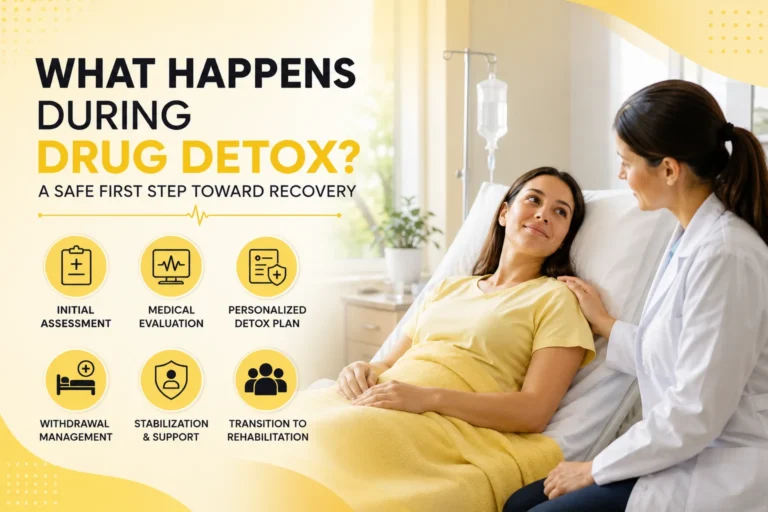
What Happens During Drug Detox?
Every person’s detox journey is different. An effective detox program is tailored to the individual’s substance use history, physical health, mental health, and recovery goals. At Lifeline Rehab, the detox process follows a personalized approach designed to ensure safety, comfort, and a smooth transition into ongoing addiction treatment. The program typically includes several carefully monitored stages that prepare patients for long-term recovery.
The first step of drug detox is an initial assessment, where the treatment team evaluates the patient’s substance use history, medical condition, mental health, current medications, family support, and risk factors. This information helps create a personalized detox plan, as every addiction case is different and requires an individualized approach.
After the initial assessment, a medical evaluation is conducted to assess the patient’s physical health, including vital signs, hydration, nutrition, and withdrawal symptoms. This process helps identify potential health concerns such as heart issues, liver problems, anxiety, depression, or multiple substance use, allowing the team to develop a detox plan.
A personalized detox plan is developed based on the patient’s unique needs and recovery goals. It may include medical monitoring, withdrawal management, emotional support,rehabilitation preparation. Factors such as the substance used, severity of dependence, withdrawal risk,mental health, and relapse history are considered to ensure a safe and effective recovery process.
A personalized detox plan is developed based on the patient’s unique needs and recovery goals. It may include medical monitoring, withdrawal management, emotional support,rehabilitation preparation. Factors such as the substance used, severity of dependence, withdrawal risk,mental health, and relapse history are considered to ensure a safe and effective recovery process.
Stabilization means the patient becomes physically and emotionally more balanced. Withdrawal symptoms begin to reduce, sleep may improve, and the patient becomes more prepared for therapy and rehabilitation.
Stabilization does not mean the addiction is fully treated. It means the person is ready for the next stage of recovery.
After detox, patients begin structured addiction treatment, which may include rehabilitation, counseling, mental health treatment, and relapse prevention. While detox removes substances from the body, continued treatment helps address the underlying causes of addiction and supports long-term recovery.
Cocaine Detox and Withdrawal
Cocaine addiction affects the brain’s reward system. It can create powerful cravings and emotional crashes. Unlike some substances, cocaine withdrawal may not always produce intense physical sickness, but the psychological symptoms can be very strong.
Cocaine detox is the process of stopping cocaine use while managing the emotional, mental, and physical effects that follow.
Common Cocaine Withdrawal Symptoms
Cocaine withdrawal may include:
- Strong cravings
- Depression
- Anxiety
- Fatigue
- Irritability
- Sleep problems
- Increased appetite
- Low energy
- Poor concentration
- Restlessness
- Vivid dreams
- Loss of motivation
- Emotional crashes
- Suicidal thoughts in severe cases
Professional cocaine detox is important because cravings and depression can increase relapse risk. Many people return to cocaine use during the crash phase because they want relief from emotional discomfort.
How Long Does Drug Detox Take?
Drug detox duration depends on the substance, frequency of use, health condition, and severity of dependence. Some people detox within a few days, while others need longer support.
|
Substance
|
Estimated Detox Timeline
|
Common Withdrawal Symptoms
|
|
Alcohol
|
3–7 days, sometimes longer
|
Sweating, shaking, anxiety, nausea, insomnia, confusion, seizures in severe cases
|
|
Cocaine
|
3–10 days for acute symptoms; cravings may last longer
|
Fatigue, depression, cravings, anxiety, sleep disturbance, irritability
|
|
Heroin
|
5–10 days
|
Body aches, sweating, nausea, diarrhea, cravings, anxiety, insomnia
|
|
Methamphetamine
|
7–14 days; emotional symptoms may last longer
|
Fatigue, depression, increased appetite, sleep problems, cravings
|
|
Prescription Drugs
|
Several days to weeks depending on drug type
|
Anxiety, insomnia, nausea, tremors, cravings, mood changes
|
Medical Detox vs. Home Detox
|
Factor
|
Medical Detox
|
Home Detox
|
|
Safety
|
Supervised by professionals
|
Higher risk if symptoms become severe
|
|
Withdrawal Management
|
Symptoms monitored and managed
|
Symptoms may become difficult to control
|
|
Emergency Support
|
Available when needed
|
Delayed response possible
|
|
Relapse Risk
|
Lower due to structure and support
|
Higher due to cravings and easy access
|
|
Mental Health Support
|
Available during detox
|
Often missing
|
|
Medication Support
|
Provided when clinically appropriate
|
Unsafe without medical guidance
|
|
Best For
|
Moderate to severe addiction, cocaine addiction, alcohol, opioids, prescription drugs
|
Mild cases only, and only with medical advice
|
Benefits of Choosing Lifeline Rehab
Choosing the right drug rehabilitation center can make a major difference in recovery. Lifeline Rehab provides structured support for individuals facing substance abuse, cocaine addiction, drug dependency, and related mental health concerns.
Experienced Medical Team
Lifeline Rehab offers professional support from trained staff who understand addiction, withdrawal, and recovery needs.
Personalized Treatment Plans
Every patient has a different story. Lifeline Rehab creates personalized plans based on substance use history, withdrawal symptoms, mental health, and recovery goals.
Confidential Environment
Privacy matters in addiction recovery. Lifeline Rehab provides a confidential setting where patients can receive care without fear of judgment.
Evidence-Based Addiction Treatment
Effective addiction treatment should be based on proven methods, structured therapy, counseling, and relapse prevention.
Mental Health Treatment Support
Mental health treatment is an important part of recovery. Lifeline Rehab supports patients dealing with anxiety, depression, trauma, emotional stress, and other challenges linked with addiction.
Family Involvement
Addiction affects the whole family. Family education and involvement can improve understanding, communication, and recovery support.
Aftercare Programs
Recovery does not end after inpatient rehabilitation. Aftercare helps patients stay focused, avoid relapse, and continue building a healthier life.
Why Lifeline Rehab Is Considered Among the Best Rehabilitation Centers
When people search for the Best Rehabilitation Center, they are usually looking for safety, trust, privacy, professional care, and real support. Lifeline Rehab stands out because it focuses on complete recovery, not just temporary detox.
A strong rehabilitation center should offer:
- Professional detox support
- Addiction treatment
- Mental health treatment
- Inpatient rehabilitation
- Confidential care
- Family guidance
- Relapse prevention
- Long-term recovery planning
Lifeline Rehab is a trusted rehab center in Islamabad for individuals and families looking for structured substance abuse treatment. Its approach combines medical care, emotional support, counseling, and personalized recovery planning.
No ethical rehab center should promise instant results or guaranteed recovery. Addiction recovery takes time, effort, professional care, and ongoing support. Lifeline Rehab provides the environment and guidance needed to begin that journey properly.