
Drug addiction is not something that happens overnight. It slowly takes control of a person’s life—affecting their health, behavior, relationships, and future. The most dangerous part is that many people fail to recognize the signs and symptoms of drug addiction until it becomes severe. Understanding these early warning signals can help you or your loved ones take timely action and avoid long-term damage. Lifeline Rehab focuses on early detection and professional recovery programs that help individuals regain control of their lives.
What is Drug Addiction?
Drug addiction, also known as substance use disorder, is a condition where a person becomes physically and psychologically dependent on drugs. Over time, the brain’s chemistry changes, making it difficult to function without substance use. This is why identifying the signs and symptoms of drug addiction early is extremely important. According to the World Health Organization (WHO), drug addiction is a chronic disorder that affects brain function and behavior.
Common Signs of Drug Addiction (What Other Can Observe)
The “signs” of addiction are visible changes that others can notice. These are often the first red flags.
1. Behavioral Changes
- Sudden mood swings without clear reason
- Increased anger, irritability, or aggression
- Loss of interest in hobbies or daily activities
- Secretive behavior or lying frequently
- Avoiding family gatherings or social interaction
2. Lifestyle & Social Changes
- Declining performance at work or school
- Financial issues or unexplained expenses
- Changing friend circles (new suspicious company)
- Neglecting responsibilities and commitments
- Staying out late or disappearing for long periods
3. Physical Appearance Changes
- Noticeable weight loss or gain
- Poor hygiene and lack of self-care
- Red or glassy eyes
- Unusual body smell
- Frequent tiredness or low energy
Getting help from a trusted Rehabilitation Center in Islamabad can prevent these signs from turning into severe addiction.
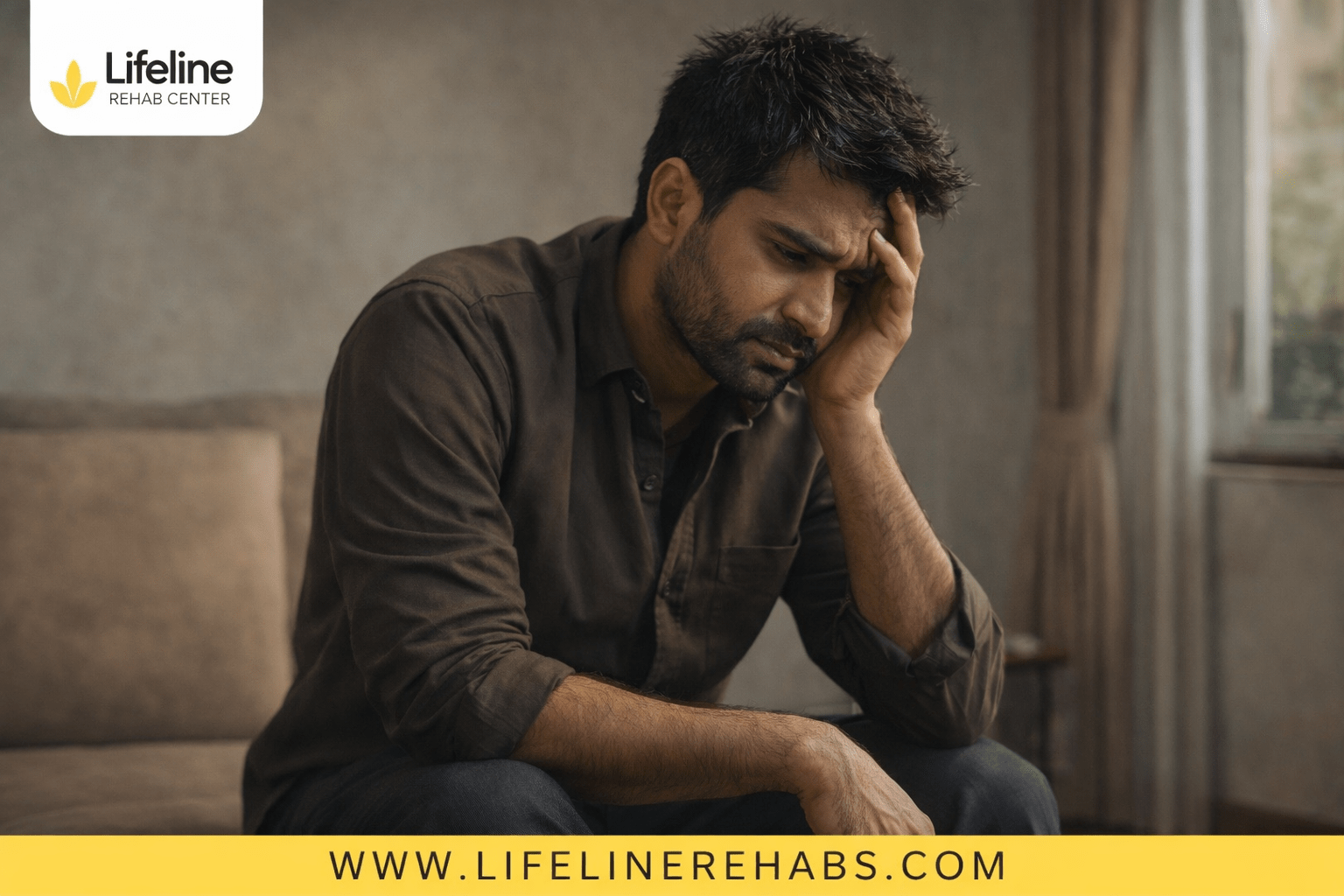
Symptoms of Drug Addiction (What the Person Feels)
Unlike signs, symptoms are experienced internally by the individual.
1. Physical Symptoms
- Strong and uncontrollable drug cravings
- Sweating, shaking, or tremors
- Nausea and vomiting
- Headaches or body pain
- Sleep disturbances (insomnia or oversleeping)
2. Psychological Symptoms
- Anxiety or panic attacks
- Depression or emotional instability
- Confusion and lack of focus
- Paranoia or hallucinations
- Loss of motivation and hopelessness
In many cases, addiction is linked with mental health conditions, which is why our Mental Health Support Services focus on complete recovery.
3. Withdrawal Symptoms (When Not Using Drugs)
- Severe discomfort without drugs
- Irritability and restlessness
- Muscle pain and fatigue
- Emotional breakdowns
- Increased urge to relapse
Early Warning Signs You Should Never Ignore
Sometimes addiction starts with small habits that seem harmless. These early warning signs can quickly turn into serious dependency:
- Using drugs to escape stress or problems
- Increasing dosage to feel the same effect
- Trying to quit but failing repeatedly
- Hiding drug use from family
- Losing control over frequency of use
If you notice these patterns, it’s time to take action.
What Causes Drug Addiction?
Addiction is usually caused by a combination of factors rather than a single reason.
Common Risk Factors Include:
- Peer pressure and social influence
- Mental health issues like anxiety or depression
- Family history of addiction
- Trauma, stress, or emotional pain
- Easy availability of drugs
Why Early Detection Matters ?
Ignoring the signs and symptoms of drug addiction can lead to serious consequences:
- Long-term physical health damage
- Severe mental health disorders
- Broken relationships and isolation
- Financial instability
- Legal problems
The earlier the addiction is identified, the higher the chances of successful recovery.
How Lifeline Rehab Can Help You Recover ?
At Lifeline Rehab, we provide a complete recovery approach designed for long-term success.
Our Treatment Includes:
- Medically supervised detox programs
- Personalized rehabilitation plans
- Psychological counseling and therapy
- Safe and confidential environment
- Long-term relapse prevention support
We focus on healing not just the addiction, but the person as a whole—mind, body, and lifestyle.
When Should You Seek Professional Help?
You should consider professional treatment if:
- Drug use is affecting daily life and relationships
- You cannot quit despite multiple attempts
- Physical or mental health is declining
- Behavior becomes risky or harmful
Delaying treatment only makes recovery more difficult.
Conclusion
Drug addiction always shows warning signs—it’s just a matter of recognizing them in time. Understanding the signs and symptoms of drug addiction can help you take control before it’s too late. If you or someone you care about is struggling, don’t ignore the signs.
Take the first step toward recovery today.
Frequently Asked Questions
- What are the common signs of drug addiction?
Common signs of drug addiction include mood swings, secretive behavior, poor hygiene, loss of interest in daily activities, financial problems, and changes in social circles. - What are the symptoms of drug addiction?
Symptoms of drug addiction may include strong cravings, anxiety, depression, sleep problems, shaking, sweating, nausea, and withdrawal symptoms when drugs are not used. - How can you tell if someone is addicted to drugs?
You can tell someone may be addicted to drugs if their behavior, physical appearance, emotional health, and daily routine change significantly, especially when these changes continue over time. - Why is early detection of drug addiction important?
Early detection is important because it helps prevent serious physical, mental, social, and financial consequences. It also improves the chances of successful recovery. - Can drug addiction be treated successfully?
Yes, drug addiction can be treated successfully with professional care, detox support, counseling, therapy, and long-term rehabilitation programs. - When should someone seek professional help for drug addiction?
Someone should seek professional help when drug use starts affecting health, relationships, work, studies, or daily responsibilities, or when quitting without support becomes difficult.
